 Italian
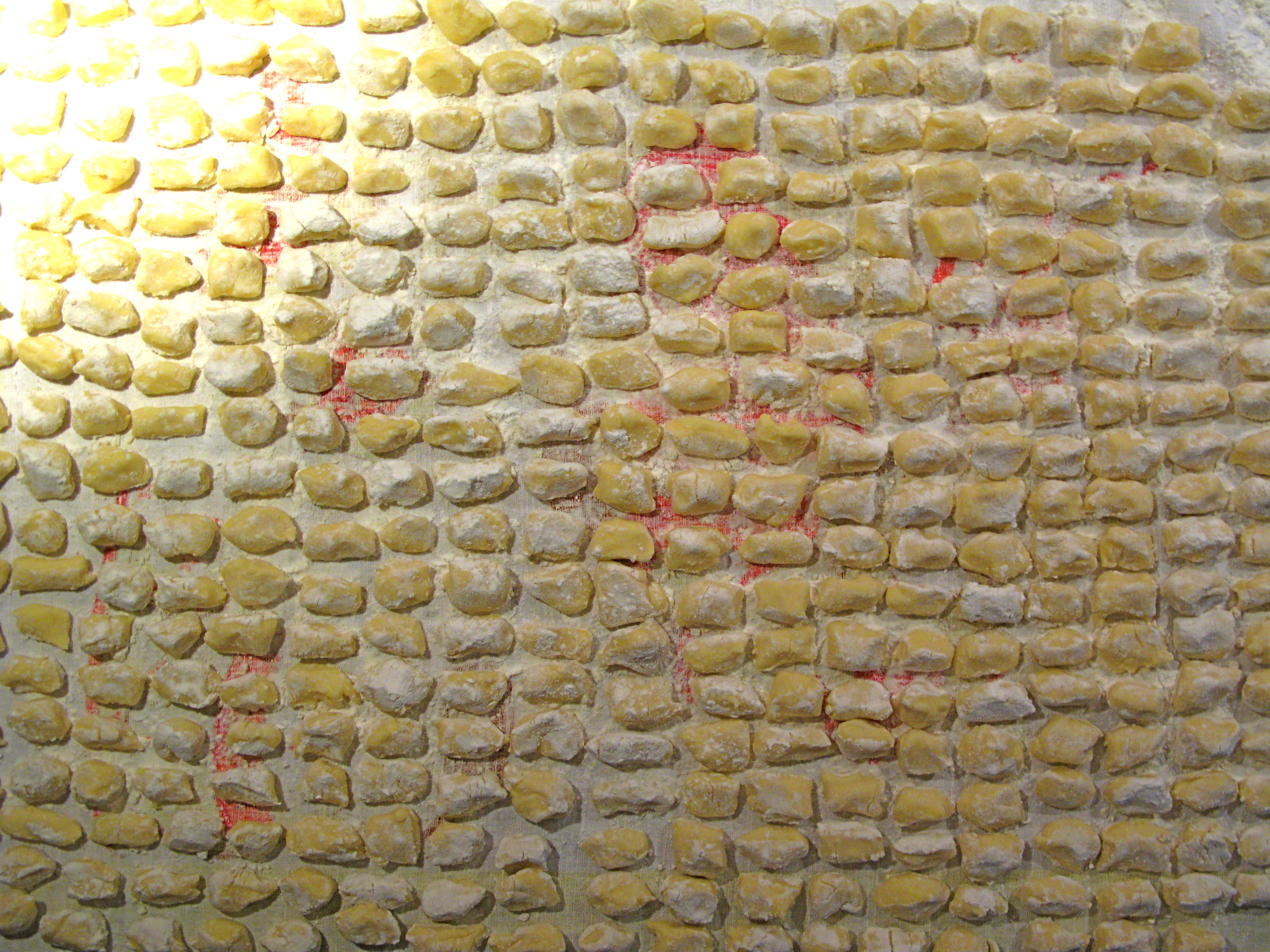
Gnocchi al Burro e Salvia
Browned butter and crisp sage—simple and perfect.
17 minmediumitalianpotato

European guide
Soft Italian dumplings—most often potato—that cook in minutes and soak up sage butter, pesto, or ragù like little pillows.
Gnocchi have ancient roots in Roman cooking; the name may derive from nocchio (wood knot) or nocca (knuckle). Potato gnocchi spread after the Americas introduced potatoes to Europe in the 16th century. Earlier versions used semolina, breadcrumbs, or squash, and regional styles remain—like Gnocchi alla Romana made with baked semolina.
Classic potato gnocchi combine riced potatoes, flour, and sometimes egg for a soft, tender dough.
Cook starchy potatoes in their skins until tender.
Peel while hot and pass through a ricer; let steam escape.
Gently mix in flour, salt, and optional egg yolk—avoid overworking.
Roll into ropes about 1.5 cm thick and cut into bite-size pieces.
Roll each piece over a fork or board to create sauce-catching ridges.
Boil in salted water until they float, plus 20–30 seconds.
Sauce immediately in butter, pesto, or tomato.
Uncooked gnocchi keep 1–2 days refrigerated, well floured and airtight. Freeze on a tray, then bag for up to 2 months; cook from frozen. Cooked gnocchi are best fresh but keep 1–2 days refrigerated.
Browned butter and crisp sage—simple and perfect.
Baked with tomato, mozzarella, and basil.
Tossed with fresh basil pesto.
Creamy blue-cheese sauce with optional walnuts.
Pillowy dumplings under a rich meat sauce.
From this noodle
ItalianBrowned butter and crisp sage—simple and perfect.
 Italian
Creamy blue-cheese sauce with optional walnuts.
 Italian
Tossed with fresh basil pesto.
 Italian
Pillowy dumplings under a rich meat sauce.
 Italian
Baked with tomato, mozzarella, and basil.
 Italian