 Korean
Ants Climbing a Tree
Sichuan classic of glass noodles with seasoned minced pork.
35 minmediumgluten-freestarch
Asian guide
Clear mung-bean starch noodles that turn glass-like when cooked—light, slippery, and perfect for soups, salads, and japchae-style stir-fries.
Also called glass noodles, cellophane noodles are made from mung bean starch and are common across Chinese, Korean, and Southeast Asian cooking. They became popular wherever a neutral, gluten-free noodle was needed to carry bold sauces and broths.
Soak dried noodles in warm water until pliable.
Briefly boil or add directly to soups and stir-fries.
Rinse for cold salads to remove excess starch.
Toss with sauce immediately so strands stay separate.
Store dried noodles in a cool, dry place for up to 2 years. Cooked noodles keep 2–3 days refrigerated.
Sichuan classic of glass noodles with seasoned minced pork.
Sometimes made with mung-bean glass noodles instead of dangmyeon.
Soft vermicelli-style glass noodles inside fresh rice-paper rolls.
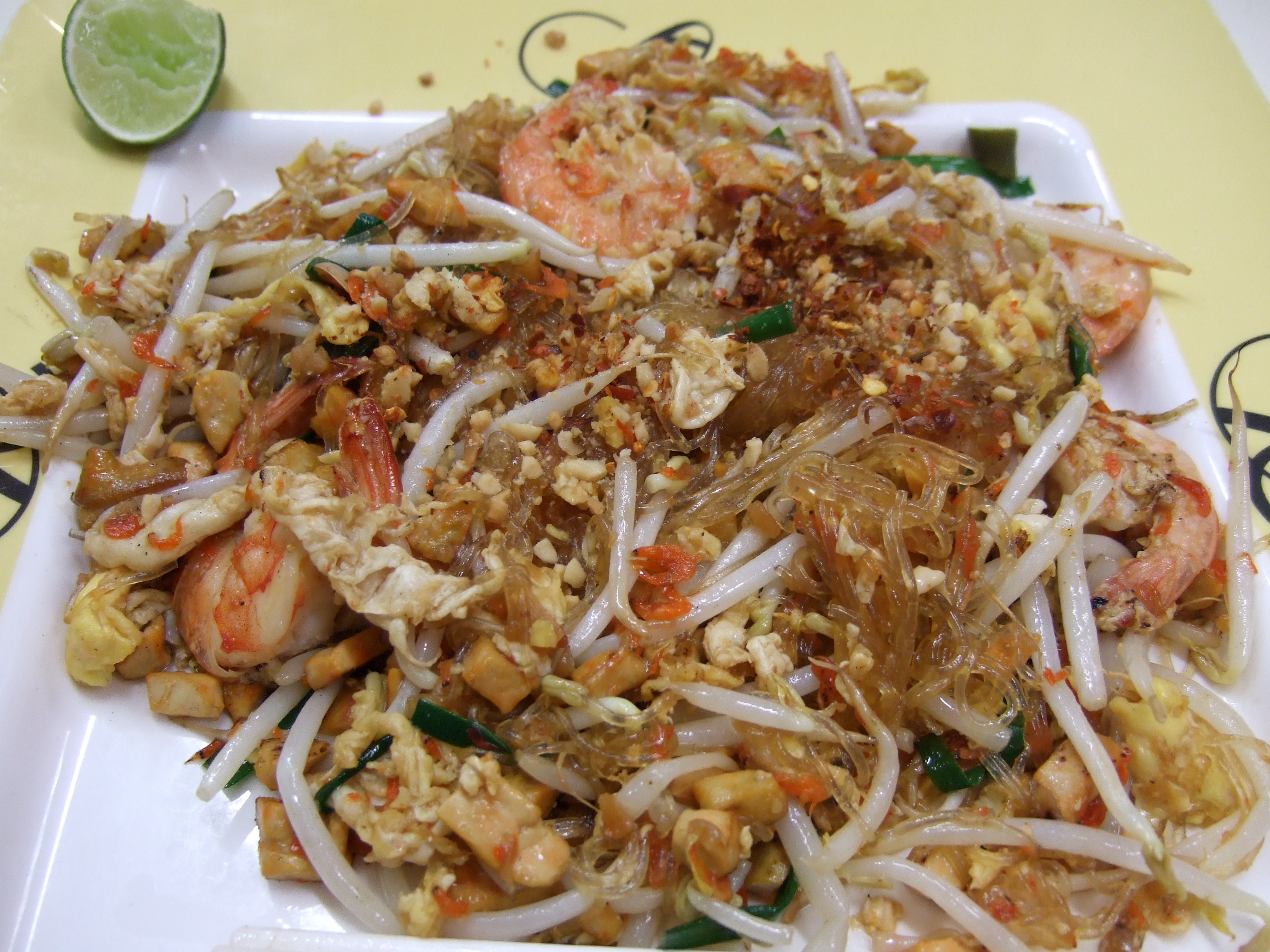
Slippery glass noodles simmered in spicy hot-pot broth until glossy and tender.
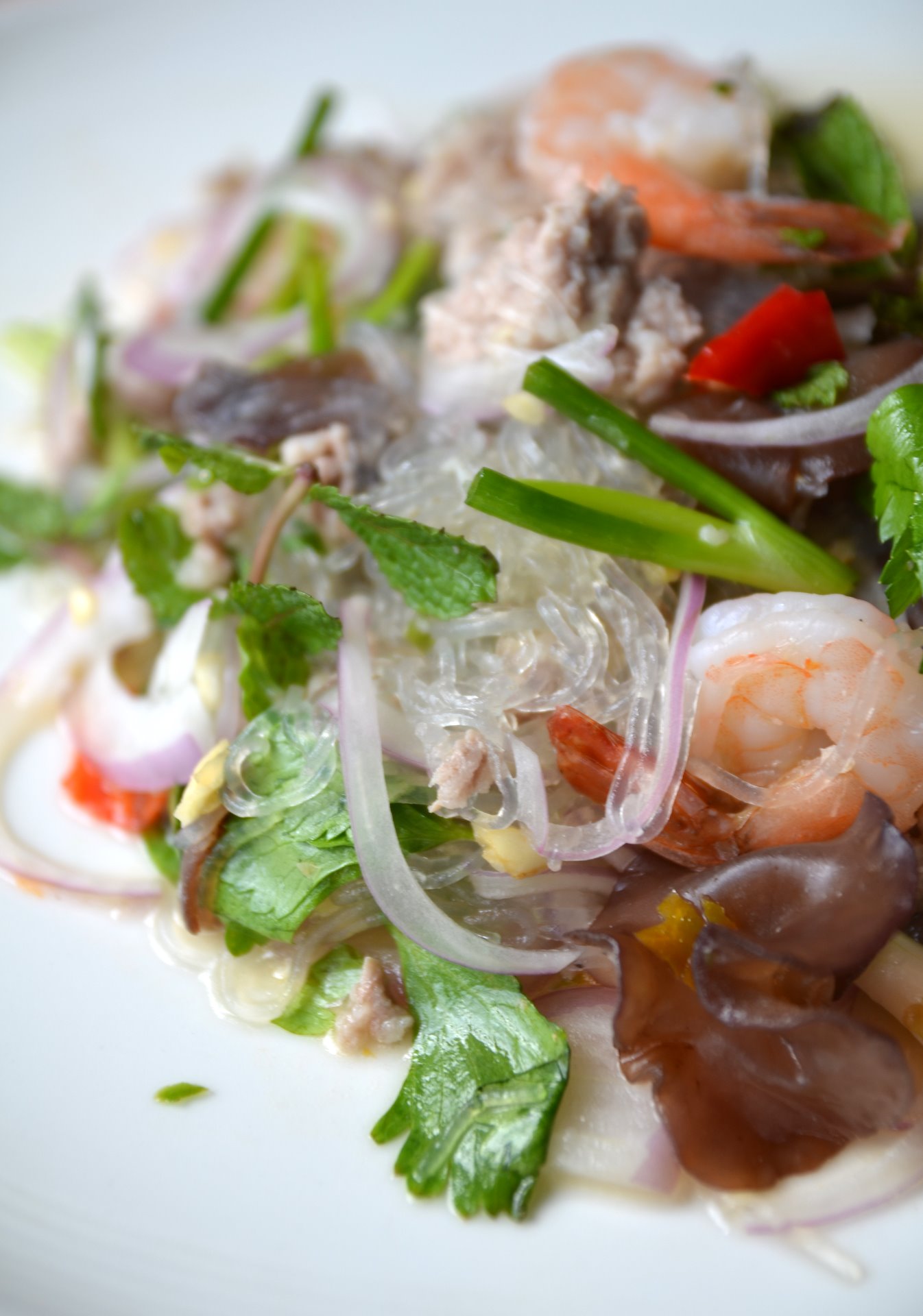
Tangy glass-noodle salad with lime, chili, herbs, and shrimp or minced pork.
From this noodle
KoreanSichuan classic of glass noodles with seasoned minced pork.
 Korean
Slippery glass noodles simmered in spicy hot-pot broth until glossy and tender.
 Korean
Tangy glass-noodle salad with lime, chili, herbs, and shrimp or minced pork.
 Korean
Soft vermicelli-style glass noodles inside fresh rice-paper rolls.