 Italian
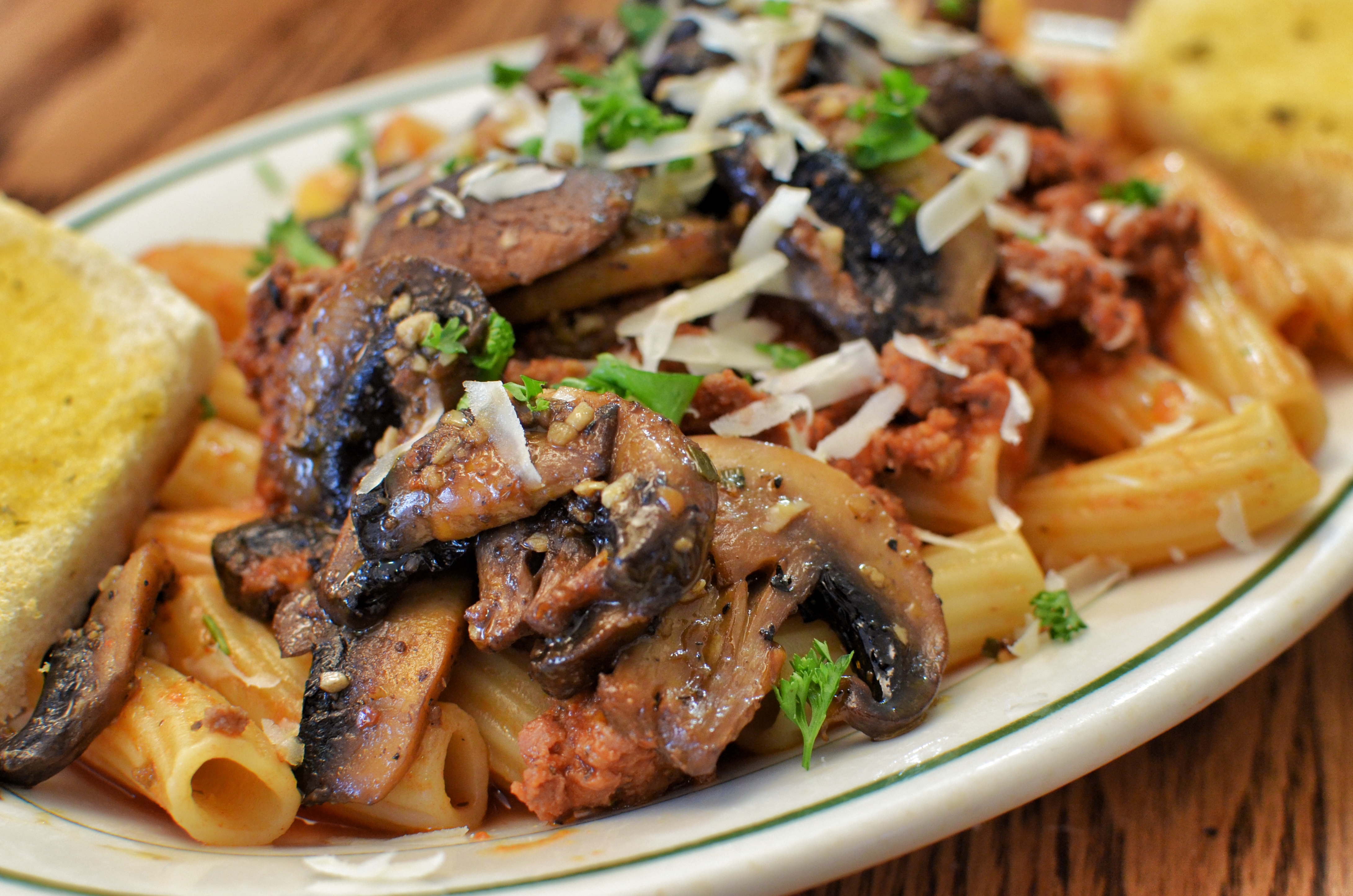
Fettuccine ai Funghi
Mushroom sauce with herbs and often a touch of cream.
38 minmediumitalianegg-pasta

European guide
Flat ribbon pasta from Roman and Tuscan kitchens—wide enough for butter, cheese, and rich sauces to cling to every strand.
Fettuccine comes from Roman and Tuscan cuisine; the name means “little ribbons.” Home cooks have rolled egg pasta into these flat strands for generations. International fame arrived with Fettuccine Alfredo, created by Alfredo di Lelio in Rome in 1914, though Italians often prefer simpler butter-and-Parmigiano preparations.
Traditional fettuccine is an egg pasta: flour, eggs, and sometimes a touch of water or olive oil.
Mix flour and eggs into a cohesive dough.
Knead until smooth and elastic; rest at least 30 minutes.
Roll into thin sheets by hand or machine.
Fold and cut into ribbons about 6 mm (¼ inch) wide.
Dust and let dry briefly so strands separate.
Cook fresh pasta 2–3 minutes (dried 8–10) until al dente.
Toss immediately with sauce so the ribbons stay silky.
Fresh fettuccine keeps up to 2 days refrigerated with a light flour dusting, or frozen up to 2 months. Dried fettuccine stores up to 2 years. Cooked leftovers keep 3–4 days refrigerated.
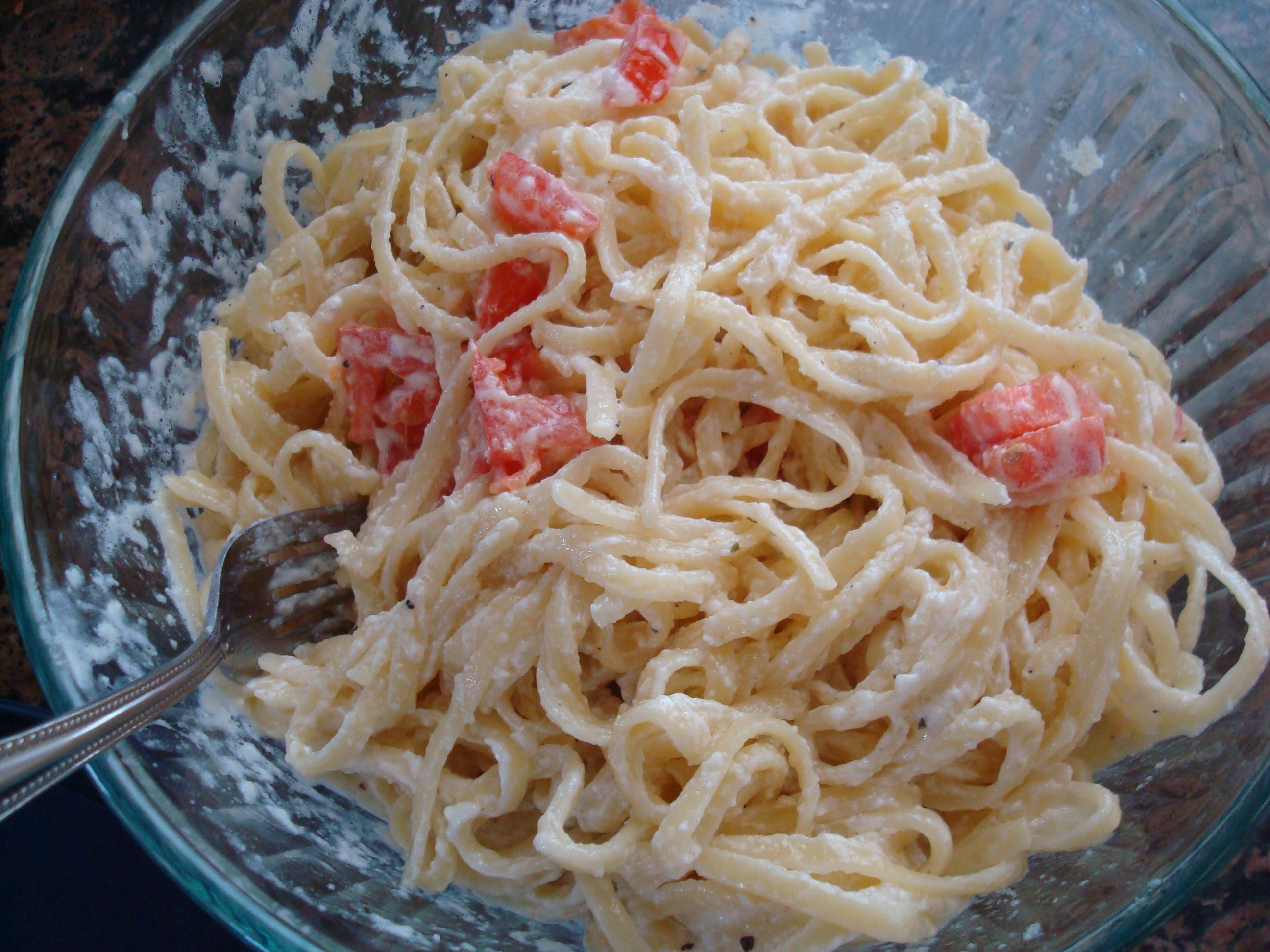
Butter and Parmigiano emulsified into a creamy coating.
Ribbon pasta with slow-cooked meat sauce.
Mushroom sauce with herbs and often a touch of cream.
Spring vegetables in a light cream or olive oil sauce.
Bright lemon butter or cream sauce with black pepper.
From this noodle
ItalianMushroom sauce with herbs and often a touch of cream.
 Italian
Bright lemon butter or cream sauce with black pepper.
 Italian
Ribbon pasta with slow-cooked meat sauce.
 Italian
 Italian
Spring vegetables in a light cream or olive oil sauce.