
 Italian
Origin
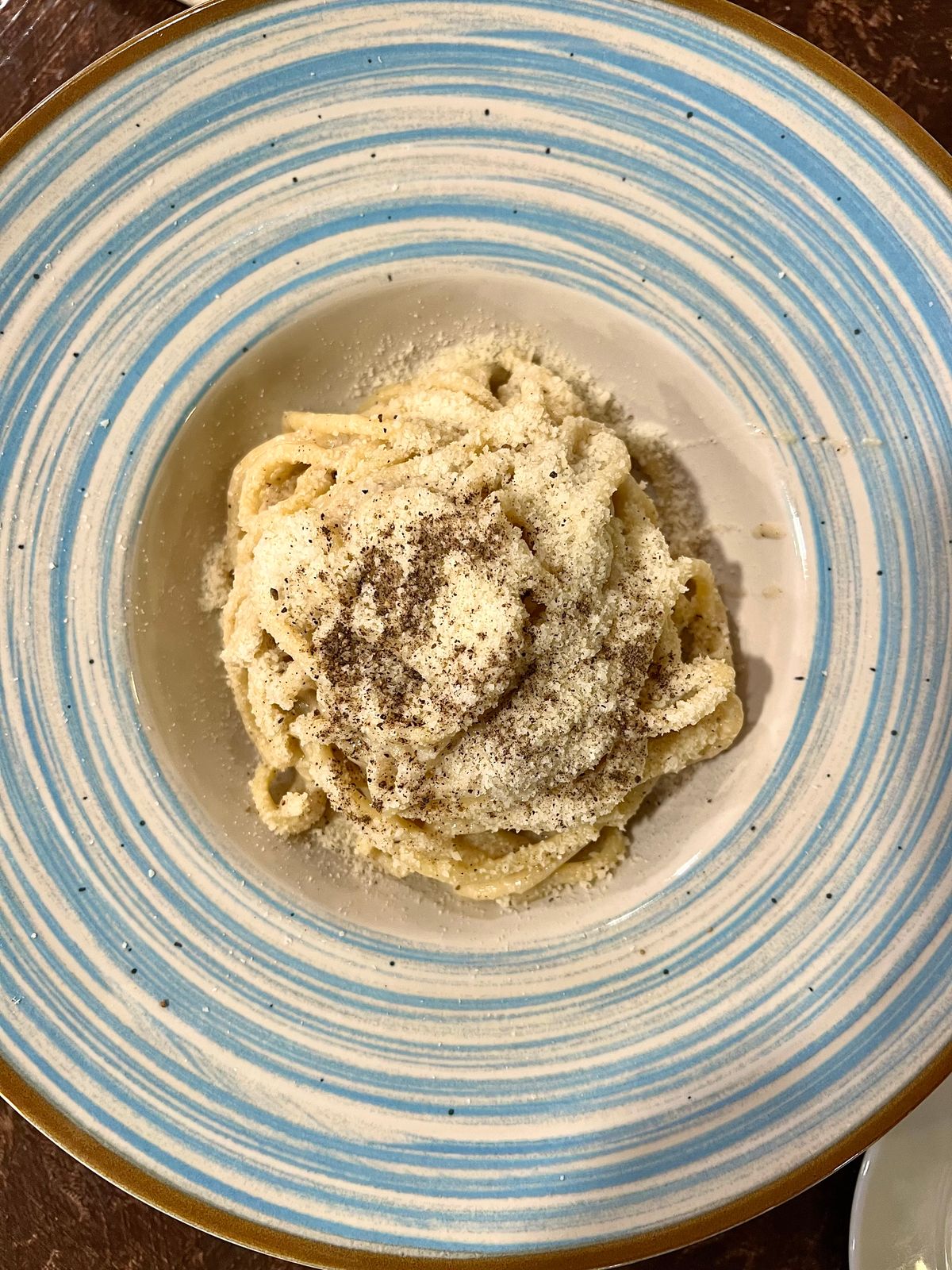
Spaghetti is among the world’s most recognizable pasta shapes, with roots in southern Italy—especially Sicily and Naples—where long dried pasta became a staple. The name comes from spago, “string” or “twine.” While pasta traditions stretch back to ancient Italy, spaghetti as we know it flourished from the Middle Ages onward and later became a global symbol of Italian cooking.
How to make them
Traditional dried spaghetti is durum wheat semolina and water; fresh egg versions exist but are less common for this shape.
- 01
Mix durum wheat semolina with water into a stiff dough.
- 02
Knead until smooth and elastic, then rest at least 30 minutes.
- 03
Extrude or roll and cut into long, thin cylindrical strands.
- 04
Hang or tray-dry until firm enough to cook or store.
- 05
Boil in generously salted water until al dente, typically 8–12 minutes for dried.
- 06
Finish in the sauce with a splash of pasta water for gloss.
Storage
Fresh spaghetti keeps 2–3 days refrigerated airtight, or up to 2 months frozen. Dried spaghetti stores up to 2 years in a cool, dry place. Cooked spaghetti lasts 3–5 days refrigerated; a little olive oil helps prevent sticking.
Popular dishes
- Spaghetti al Pomodoro
Classic tomato sauce with garlic, olive oil, and basil.
- Spaghetti Carbonara
Eggs, Pecorino, guanciale, and black pepper—no cream.
- Spaghetti alle Vongole
Clams with garlic, white wine, and parsley.
- Spaghetti Aglio e Olio
Garlic, olive oil, and chili—Roman simplicity.
- Spaghetti Bolognese
Meat sauce over spaghetti (abroad); in Italy, ragù is more often paired with tagliatelle.
From this noodle
Related recipes
Italian Italian
Spaghetti Aglio e Olio
Garlic, olive oil, and chili—Roman simplicity.
27 mineasyitalianwheat
 Italian
Spaghetti al Pomodoro
Classic tomato sauce with garlic, olive oil, and basil.
34 mineasyitalianwheat
 Italian
Spaghetti alle Vongole
Clams with garlic, white wine, and parsley.
39 minmediumitalianwheat
 Italian
Spaghetti Bolognese
Meat sauce over spaghetti (abroad); in Italy, ragù is more often paired with tagliatelle.
1 hr 35 minmediumitalianwheat
 Italian